
Why Outsourcing the Truck Doesn't Outsource the Responsibility

For businesses that move freight at volume, a common assumption is that handing deliveries to a carrier also hands over responsibility for what happens on the road. Under the Heavy Vehicle National Law, that is not how it works. Safety duties are spread across the whole chain of parties involved in a heavy vehicle movement, and the National Heavy Vehicle Regulator (NHVR) states that a party remains a party even when its transport activities are contracted or subcontracted.
Who Counts as a Party
The law lists ten functions that make an individual or a company a Chain of Responsibility (CoR) party: employer, prime contractor, operator, scheduler, consignor, consignee, packer, loading manager, loader and unloader. A driver is not a party in their own right unless they also own the vehicle or perform one of those functions. The list reaches well beyond the transport company. A business that ships and receives its own goods, for example, performs at least two of these functions without owning a single truck.
What the Primary Duty Asks
Each party has a primary duty to ensure the safety of its transport activities, so far as is reasonably practicable. In practical terms, that means eliminating public risks where possible and minimising them where it is not. The test is one of proportionality, with the measures expected depending on the likelihood and degree of harm and on the circumstances of each business. The duty also prohibits directly or indirectly causing or encouraging a driver, or anyone else, to speed or to break the law.
For organisations running large, multi-carrier freight programs, enterprise freight management is often where the information needed to show how these duties are managed gets pulled together, from carrier contracts and booking schedules to the records of who performed which function on a given movement. The test is whether reasonable steps were taken, and records are one way a business can show what it did.
What Counts as a Transport Activity
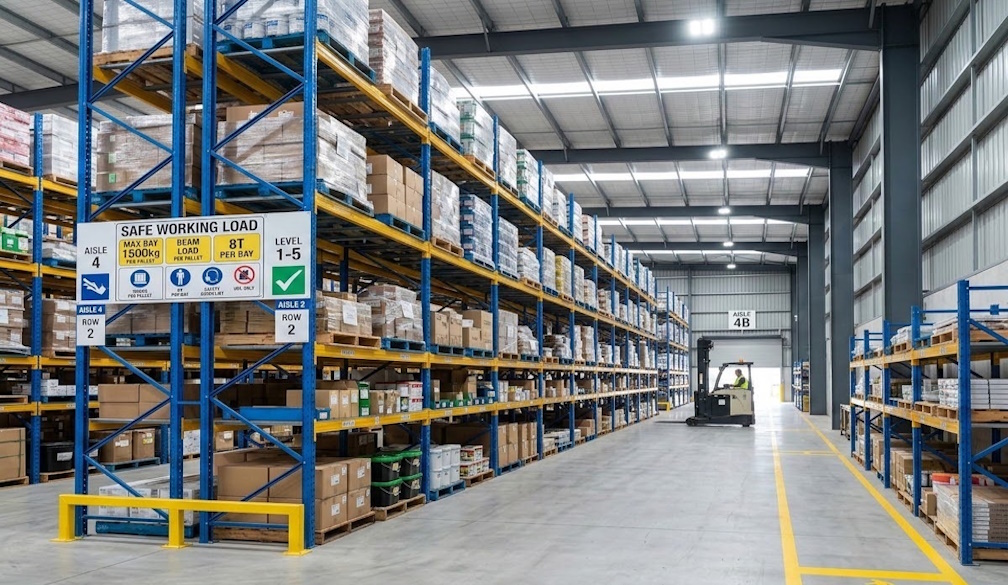
The scope is wider than many operators expect. Transport activities include all activities and business processes associated with the use of a heavy vehicle on a road. That covers matters such as premises layout and contracts with other parties, as well as the more obvious items like vehicle maintenance and driver training. Many of these sit well outside the vehicle itself, which is why the duty can reach functions such as scheduling, loading and receiving.
What This Means When Several Carriers Are Involved
A shipper that uses more than one carrier does not acquire a new set of duties for each one. The functions it performs stay with it, whichever carrier collects the freight. What changes is the number of other parties it deals with, and therefore the number of contracts, schedules and handovers where responsibilities meet. A consignor that packs and loads its own freight performs those functions on every movement, whether the truck that arrives is from one carrier or from five. Looking at movements by function, rather than by carrier, tends to give a clearer picture of where the duties actually sit.
Where Contracts Fit
Contracts matter, but they do not move a duty from one party to another. A carrier agreement can allocate tasks, set expectations and require evidence of compliance. It cannot make a consignor or scheduler stop being one. Reviewing contract wording alongside what happens in practice shows whether the two match. Executives carry a separate due diligence duty of their own, so these obligations are not only an operational matter for the transport provider.
Keeping This in Proportion
Several limits are worth stating. These obligations relate to heavy vehicle transport activities, so the position for smaller vehicles may differ. General guidance of this kind is not legal advice, and requirements depend on a business's own circumstances. Penalties for breaches of the primary duty can be substantial, which is a reason to take advice rather than rely on a summary like this one.
A sensible starting point for any freight-intensive business is to map where it sits in the chain: which of the ten functions it performs, which it has contracted out, and what records exist for each. For specific questions, current published guidance and a qualified legal adviser are the right places to go.

 Metropolitan Digital