

Electric Vehicle Charger Installation: Powering the Shift to Smarter Mobility
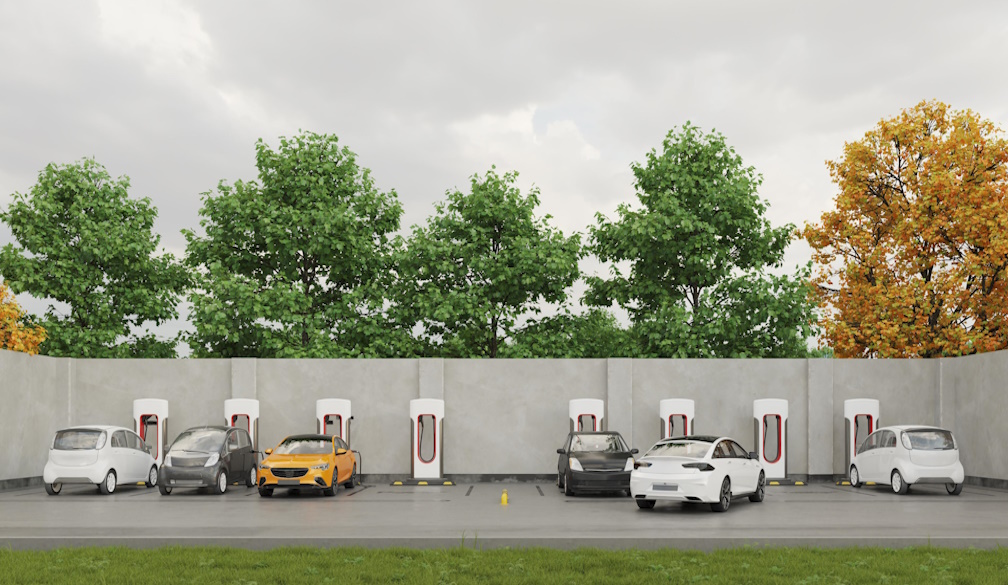
As electric vehicles become an increasingly common sight on Australian roads, the need for convenient and reliable charging solutions is growing just as fast. Installing an electric vehicle charger at home or in a commercial setting allows vehicle owners to charge efficiently, safely, and on their own schedule. Rather than relying solely on public charging stations, a dedicated charger provides control, consistency, and long-term convenience. Electric vehicles are more than a trend. They represent a shift in how people think about transport, energy use, and sustainability. A professionally installed charging system ensures that this transition is smooth, practical, and aligned with modern electrical standards.
Understanding EV Charger Installation Requirements
Proper ev charger installation involves more than simply connecting a device to a power source. Chargers draw significant electrical load, and systems must be assessed to ensure they can handle the demand safely. Professional installers evaluate existing electrical infrastructure, including switchboards, wiring, and available capacity, before recommending a suitable solution.
Different vehicles and usage patterns require different charging options. Some households may benefit from a basic single-phase charger, while others require faster three-phase systems. A professional assessment ensures the chosen charger aligns with both the vehicle’s requirements and the property’s electrical capabilities.
Why EV Charging at Home and Work Matters
Charging convenience plays a major role in the overall electric vehicle experience. While public charging infrastructure continues to expand, having access to a private charging point significantly improves day-to-day usability. Home and workplace chargers allow vehicles to recharge during downtime, such as overnight or during working hours.
This accessibility removes range anxiety and reduces dependence on external charging locations. For businesses, providing charging facilities can also enhance employee satisfaction and attract environmentally conscious customers. As electric vehicles become more common, charging availability is increasingly viewed as a valuable amenity rather than an optional extra.
Safety and Compliance Considerations
Safety is a critical factor in EV charger installation. Improper installations can lead to overheating, electrical faults, or long-term damage to both the charger and the property’s electrical system. Licensed electricians follow strict safety standards to ensure installations comply with Australian regulations.
Compliance also extends to protection devices such as circuit breakers and residual current devices, which safeguard against electrical faults. Professional installation not only protects people and property but also ensures warranties and insurance coverage remain valid.
Home Charging Solutions for Everyday Convenience
For homeowners, installing an EV charger transforms how they interact with their vehicle. Instead of planning trips around public chargers, drivers simply plug in at home and wake up to a fully charged car. This convenience is particularly valuable for households with predictable daily driving patterns.
Home chargers are typically compact and discreet, designed to integrate neatly with garages or outdoor areas. Professional installers ensure placement is practical, accessible, and aligned with household routines, making charging a seamless part of everyday life.
Commercial EV Charging for Businesses and Strata Properties
Businesses and multi-residential properties are increasingly investing in EV charging infrastructure. Offices, retail spaces, and apartment complexes that offer charging facilities position themselves as forward-thinking and environmentally responsible.
Commercial installations often require more complex planning, including load management and scalability for future demand. Professional installers design systems that support multiple users while maintaining electrical stability. This planning ensures charging infrastructure remains effective as EV adoption continues to rise.
Energy Efficiency and Smart Charging Options
Modern EV chargers often include smart features that improve efficiency and control. These systems can schedule charging during off-peak hours, monitor energy usage, and integrate with solar power systems. Smart charging helps reduce electricity costs and aligns charging behaviour with energy availability.
When paired with renewable energy solutions, EV chargers contribute to a more sustainable energy ecosystem. Charging a vehicle using solar-generated electricity further reduces environmental impact and maximises the benefits of clean energy investments.
Preparing Electrical Systems for Future Growth
Installing an EV charger is not just about current needs. It is also about preparing for the future. As electric vehicles evolve, charging speeds and power requirements may increase. Professional installation considers future upgrades, ensuring electrical systems can adapt without extensive modifications.
This forward-thinking approach protects the investment and supports long-term usability. Properties equipped with EV charging infrastructure are also becoming more attractive to buyers and tenants, adding value beyond immediate functionality.
Reducing Running Costs Over Time
While there is an upfront cost associated with EV charger installation, long-term savings are significant. Home charging is generally more affordable than public charging, particularly when managed during off-peak periods. Over time, these savings contribute to lower overall vehicle running costs.
For businesses, offering charging facilities can also create indirect financial benefits. Enhanced property appeal, improved employee retention, and alignment with sustainability goals all add value that extends beyond electricity costs.
Choosing the Right Installation Partner
Selecting an experienced and licensed installer is essential for a successful EV charging setup. A reliable provider offers clear guidance, transparent pricing, and solutions tailored to individual needs. Professional installers also provide advice on charger selection, placement, and system compatibility.
Ongoing support is another important consideration. Installers who offer maintenance and assistance ensure the charging system continues to operate safely and efficiently over time.
The Role of EV Charging in Sustainable Transport
Electric vehicle charging infrastructure supports broader efforts to reduce emissions and transition to cleaner transport. By enabling convenient charging, these systems encourage greater adoption of electric vehicles and reduce reliance on fossil fuels.
As more people make the switch to electric mobility, charging solutions become a key part of everyday infrastructure. Thoughtful installation ensures this infrastructure is safe, reliable, and ready to support growing demand.
Final Thoughts on Electric Vehicle Charger Installation
Electric vehicle charger installation is an essential step in embracing modern, sustainable transport. By providing safe, efficient, and convenient charging access, these systems enhance the EV ownership experience while supporting long-term energy and environmental goals. With professional installation and careful planning, EV chargers become a valuable asset that supports cleaner mobility, cost savings, and future-ready living.

 Metropolitan Digital