

Fire Safety Responsibilities: What Employers and Employees Must Know
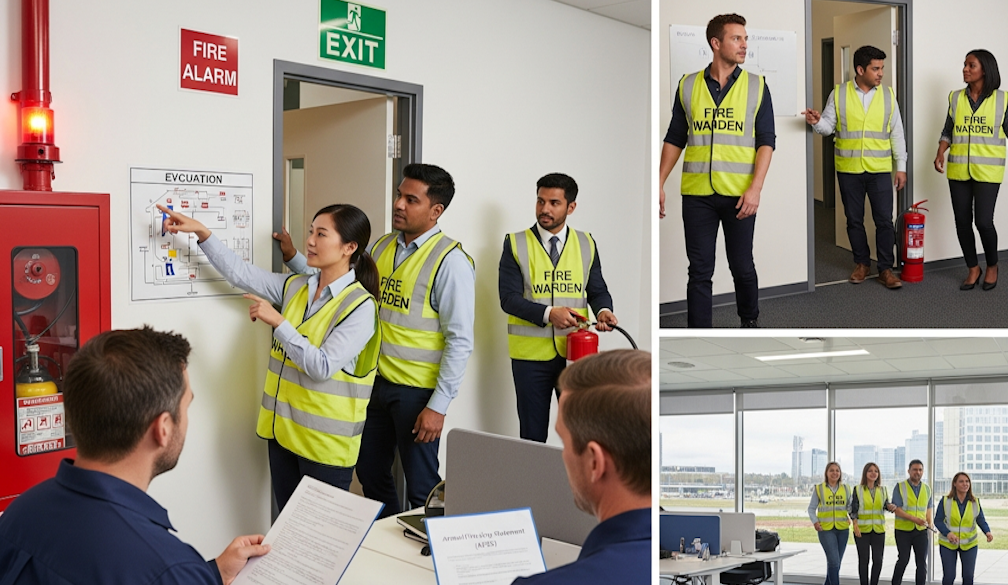
Fire safety isn’t just a box-ticking exercise—it’s a fundamental part of creating a secure, compliant and well-functioning workplace. Whether you manage a warehouse, office, retail store or commercial facility, knowing your obligations can prevent serious harm and protect your business from costly consequences. Both employers and employees play important roles, and understanding these responsibilities is the key to maintaining a safe environment for everyone.
In many workplaces, this starts with ensuring compliance through documentation such as an Annual Fire Safety Statement (AFSS), which verifies that essential fire safety measures are working as they should. But paperwork alone isn’t enough—day-to-day behaviours, staff training and proactive maintenance all contribute to strong fire safety outcomes.
Why Fire Safety Matters in Every Workplace
A fire can spread in seconds, causing devastating damage to property and serious risks to life. When fire safety responsibilities are clearly defined and understood, businesses benefit from:
- Reduced risk of injury or fatality
- Lower chances of property damage
- Compliance with state and local regulations
- More effective emergency responses
- Greater confidence among employees and visitors
Clear responsibilities help ensure that fire safety isn’t reactive—it’s proactive.
Employer Responsibilities
Ensuring the Workplace Is Fire-Safe by Design
This involves installing and maintaining fire protection systems, including smoke and heat detectors, fire extinguishers, sprinklers, fire doors, emergency exits and evacuation diagrams.
Maintaining Documentation and Compliance
Employers must ensure that the building’s fire safety measures meet legal requirements. This includes lodging compliance documents such as the AFSS and organising annual checks from accredited professionals.
Training Employees in Fire Safety Procedures
Staff must know how to respond to alarms, where exits are located, how to use extinguishers (if required), the location of assembly points and who the wardens are.
Developing Emergency Response Plans
Emergency plans must outline evacuation routes, responsibility roles, communication procedures and processes for assisting visitors or vulnerable people.
Conducting Regular Fire Drills
Fire drills allow employers to evaluate how effectively staff can respond during an emergency and address any weak points.
Employee Responsibilities
Following Workplace Fire Safety Procedures
Employees should familiarise themselves with exits, equipment and evacuation routes and ensure they follow all protocols.
Reporting Hazards Promptly
Common hazards include blocked exits, faulty electricals, damaged cords, obstructed sprinklers and unattended heat sources.
Participating in Fire Drills and Training
Employees must engage in training and drills to ensure they know how to respond safely and effectively.
Using Fire Equipment Correctly (If Required)
Employees should understand the basics of using fire extinguishers but should only attempt to fight a fire if it is safe to do so and if trained.
Maintaining a Clean and Safe Work Environment
Good housekeeping reduces fire risk. Employees should keep areas tidy, dispose of waste properly and avoid overloading power points.
Shared Responsibilities: Creating a Culture of Safety
Strong fire safety is built through a workplace culture where safety is everyone’s responsibility. Employers must lead, but employees must remain alert, informed and proactive.
Fire safety responsibilities belong to everyone
Employers must ensure systems, documents and training are up to standard, while employees must remain aware, follow procedures and help maintain a safe environment. With ongoing education and the right processes, businesses can significantly reduce fire risks and keep people protected.
 Metropolitan Digital