

New SNAP rules requiring that benefits be used at stores selling healthier food could backfire
- Written by Benjamin Chrisinger, Assistant Professor of Community Health, Tufts University
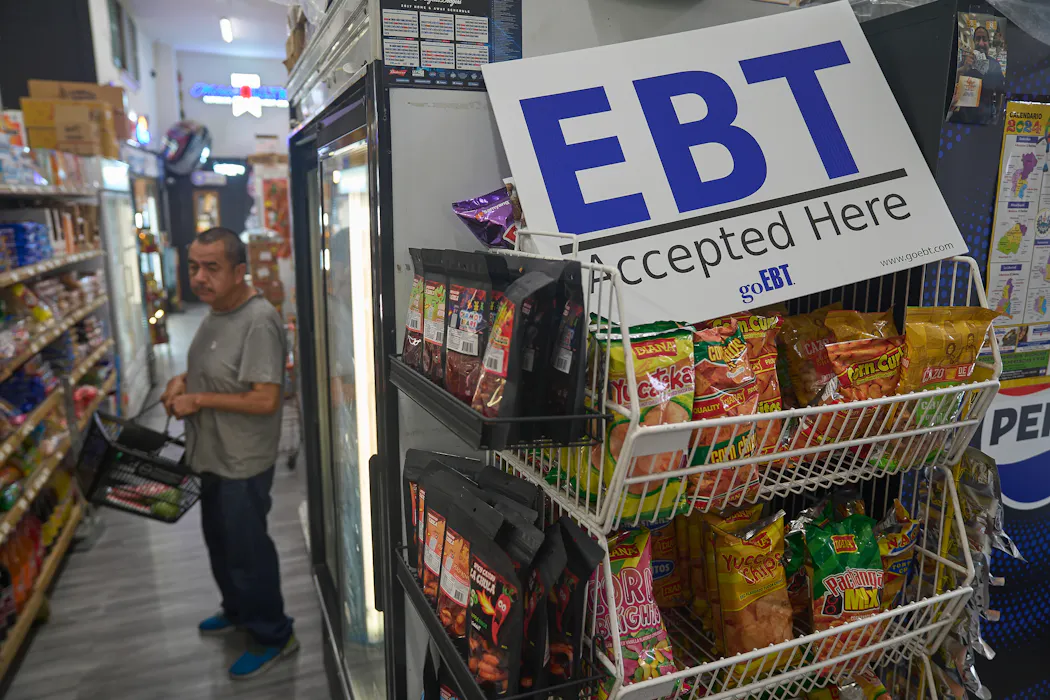
The more than 250,000 shops[1] and stores that accept Supplemental Nutrition Assistance Program[2] benefits as payment for groceries will have to meet tougher requirements starting on Nov. 4, 2026, according to new U.S. Department of Agriculture rules[3]. Any retailers that accept SNAP benefits from their customers will have to stock a wider variety of food, some of it perishable.
Government officials said they introduced the new standards to make it easier for Americans who receive SNAP benefits, which help people pay for groceries, to select more nutritious options[4].
As a community health scholar[5], I’ve been following these and other changes to SNAP, the largest and most important government program for helping Americans get enough to eat. While expanding access to healthy food is a worthy goal, I fear that these new rules could have the opposite effect for people who are enrolled in SNAP.
More kinds of dairy, produce, grains and protein
Until now, small shops and big stores alike have had to stock at least three items in each of four staple food categories[6] if they want to be able to accept SNAP benefits: dairy, produce, grains and protein.
Under the stricter new rules, all retailers accepting SNAP as payment[7] must sell at least seven kinds of food in each of those four categories. And they need to offer at least one perishable variety in three of the four.
The rules will expand some ways that retailers can meet USDA requirements. For example, the government will accept plain, seasoned and shelf-stable meats as separate items that count as protein. And specialty retailers, such as bakeries and produce markets, will remain exempt from having to fulfill all the requirements.
But certain items that currently meet the requirements, such as beef jerky for protein or butter for dairy, no longer will.
Supermarkets and other big stores that sell groceries won’t need to do anything different to comply with the rule changes. But many convenience stores, corner markets, bodegas and other small stores will have to make changes[8] if they want to continue to accept SNAP benefits.
What’s at stake
A big industry group that represents convenience stores[9] and an anti-hunger organization[10] are both warning that instead of making it easier for low-income people to follow a balanced diet, the new USDA rules might lead many small shops to stop accepting SNAP benefits.
That’s in part due to other changes those small retailers face.
More than 20 states have begun to restrict[11] what people can buy with their SNAP benefits. Selling banned items to shoppers paying with SNAP benefits can jeopardize a store’s ability to accept those benefits.
These rules[12] prohibit sales of soda, with some states also banning the sale of energy drinks, candy, desserts or processed foods to anyone paying with SNAP benefits. Some states, including Tennessee[13], are proposing additional, more complex restrictions based on ingredient lists.
Retailers will have to update their checkout systems to prevent SNAP payments on banned items, and educate staff and customers about the changes. Rather than police purchases, some stores might instead decide to stop accepting SNAP. This could leave communities with fewer options to spend SNAP benefits.
Fewer people are getting SNAP benefits
These aren’t the only challenges retailers that accept SNAP benefits face. Nationwide, the number of people who get those benefits fell by about 10% between June 2025 and February 2026[14], from about 42 million to 38 million. This decline isn’t happening because fewer Americans need help paying for groceries.
The big tax and spending package[15] that President Donald Trump signed into law in 2025 is responsible. It restricted SNAP eligibility for some age groups and expanded the reach of SNAP’s work requirements.
With fewer Americans using SNAP, retailers can expect lower sales[16]. This could be a big problem for stores whose customers rely heavily on SNAP. It’s possible that some of these stores could close[17].
While losing food retailers will make shopping with SNAP less convenient, it also could be bad for their former customers’ health. Research shows that people enrolled in SNAP have healthier diets when they have better access to retailers that accept SNAP as payment[18]. And cutting their benefits[19] has the opposite effect.
Helping small shops offer healthier options
This isn’t the first time the government has sought to make it easier to buy healthier food at small stores in low-income communities. State and local governments and researchers have worked for over a decade with the owners of those shops to procure, stock and sell healthier products.
Examples include the Healthy Corner Store Initiative[20] in Philadelphia and Camden, New Jersey; collaborations between city officials and researchers in Baltimore[21]; and a state-funded program to purchase equipment and health-promotion materials for small stores in rural North Carolina[22].
Often, these programs have assisted store owners with a mix of expertise, funding and logistics, such as new shelving and refrigeration.
While there have been successes, researchers that have evaluated these programs[23] have found that there are many obstacles.
Role of small stores
Many smaller retailers are not familiar with how to source and stock healthier food, especially produce, and may question whether these products will sell. These initiatives are often funded on a temporary basis, meaning that store owners must maintain any changes on their own after a program ends.
For example, a refrigerator purchased for fresh fruits and vegetables can easily be repurposed to hold bottles of soda.
Efforts to get small shops to sell more nutritious food work best when they are created in partnership with store owners and tailored to fit the needs of local communities. But the USDA is not offering that kind of help.
What’s more, while most Americans buy salty or sweet treats[24] from convenience stores, I think that these rules suggest that SNAP shoppers should not.
For more than 60 years, a cornerstone of the Supplemental Nutrition Assistance Program and the food stamp program that preceded it[25] has always been that the people who are enrolled in it should be treated like everyone else[26] when they buy food. I believe that the USDA’s new rules suggest that the government is moving away from that commitment.
References
- ^ 250,000 shops (www.fns.usda.gov)
- ^ Supplemental Nutrition Assistance Program (theconversation.com)
- ^ U.S. Department of Agriculture rules (www.usda.gov)
- ^ select more nutritious options (www.usda.gov)
- ^ community health scholar (scholar.google.com)
- ^ staple food categories (www.fns.usda.gov)
- ^ the stricter new rules, all retailers accepting SNAP as payment (www.fns.usda.gov)
- ^ will have to make changes (doi.org)
- ^ industry group that represents convenience stores (www.convenience.org)
- ^ anti-hunger organization (frac.org)
- ^ begun to restrict (theconversation.com)
- ^ These rules (doi.org)
- ^ including Tennessee (www.tn.gov)
- ^ fell by about 10% between June 2025 and February 2026 (www.fns.usda.gov)
- ^ big tax and spending package (doi.org)
- ^ can expect lower sales (www.cbpp.org)
- ^ some of these stores could close (www.nytimes.com)
- ^ better access to retailers that accept SNAP as payment (doi.org)
- ^ cutting their benefits (www.cbpp.org)
- ^ Healthy Corner Store Initiative (thefoodtrust.org)
- ^ city officials and researchers in Baltimore (americanhealth.jhu.edu)
- ^ rural North Carolina (doi.org)
- ^ researchers that have evaluated these programs (doi.org)
- ^ buy salty or sweet treats (doi.org)
- ^ food stamp program that preceded it (www.fns.usda.gov)
- ^ treated like everyone else (www.ecfr.gov)
Authors: Benjamin Chrisinger, Assistant Professor of Community Health, Tufts University