

I/O Controller Systems Powering Modern Industrial Automation
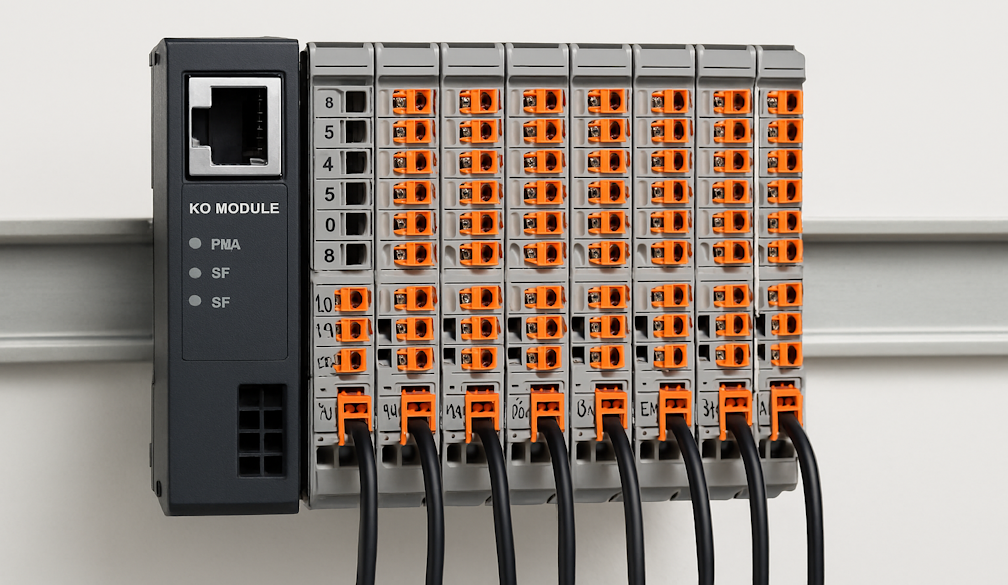
Industrial automation depends on precise communication between machines, sensors, and control systems. At the centre of this communication network is the I/O controller, a critical device that manages the flow of signals between field equipment and higher-level control platforms. In manufacturing plants, processing facilities, and automated industrial environments, I/O controllers ensure that data is transmitted accurately and actions are executed reliably in real time.
As industrial systems grow more complex, the role of the I/O controller becomes increasingly important. It acts as the bridge between physical processes and digital control, translating signals from sensors into usable data and sending commands back to actuators. Without this coordination, automation systems would struggle to maintain consistency, safety, and efficiency.
Understanding the Function of an I/O Controller
An I/O controller is responsible for handling input and output signals within an automation system. Inputs may include data from sensors measuring pressure, temperature, flow, or position, while outputs control devices such as valves, motors, relays, and alarms. The controller processes these signals and communicates with programmable logic controllers or central control systems.
This interaction allows industrial systems to respond instantly to changing conditions. When a sensor detects a variation, the I/O controller relays that information so corrective action can be taken without delay. This responsiveness is essential in environments where precision and timing directly affect product quality and operational safety.
Role of I/O Controllers in Industrial Automation
Automation systems rely on accurate data flow to function correctly. I/O controllers ensure that information from the field level reaches the control level without distortion or delay. This reliable communication supports automated decision-making, process optimisation, and fault detection across industrial operations.
In large-scale facilities, multiple I/O controllers may be distributed throughout the plant. This decentralised approach reduces wiring complexity and allows systems to scale more easily as operations expand. Each controller manages a specific set of signals, contributing to a flexible and modular automation architecture.
Design Features Supporting Reliable Performance
Modern I/O controllers are designed with durability and precision in mind. They are built to operate reliably in harsh industrial environments where temperature fluctuations, vibration, and electrical noise are common. Robust housings and high-quality electronic components protect internal circuits and ensure consistent performance over long operational periods.
Many I/O controllers also support multiple signal types, including digital and analogue inputs and outputs. This versatility allows them to integrate seamlessly with a wide range of sensors and actuators. Advanced models offer diagnostic capabilities that help operators monitor system health and identify issues before they escalate into failures.
Integration With Control and Monitoring Systems
An I/O controller does not operate in isolation. It forms part of a broader automation ecosystem that includes PLCs, distributed control systems, and human-machine interfaces. Seamless integration with these systems is essential for efficient operation and clear visibility of process data.
By transmitting accurate and timely information, I/O controllers enable operators to monitor performance, adjust parameters, and respond quickly to anomalies. This integration supports better decision-making and contributes to overall process stability and efficiency.
Applications Across Industrial Sectors
I/O controllers are used across a wide range of industries, reflecting their versatility and importance. In manufacturing, they support automated assembly lines, quality control systems, and robotic processes. In process industries such as chemical processing, water treatment, and energy production, they manage complex control loops and safety systems.
Infrastructure and mobile machinery applications also rely on I/O controllers to manage sensors and actuators in dynamic environments. Whether controlling hydraulic systems, monitoring equipment condition, or coordinating automated workflows, these controllers provide the reliable signal management needed for modern industrial operations.
Scalability and Flexibility in System Design
One of the key advantages of using I/O controllers is scalability. As production requirements change or systems expand, additional controllers can be integrated without redesigning the entire automation setup. This modularity allows businesses to adapt quickly to new demands while protecting existing investments.
Flexible configuration options further enhance system design. Many I/O controllers can be customised to handle specific signal types or communication protocols, ensuring compatibility with both legacy equipment and modern automation platforms. This adaptability is particularly valuable in facilities undergoing gradual upgrades or digital transformation.
Maintenance and Diagnostic Benefits
Effective maintenance strategies rely on accurate system feedback. Modern I/O controllers often include diagnostic features that provide insight into signal status, communication errors, and component health. These diagnostics help maintenance teams identify and resolve issues before they disrupt operations.
By supporting predictive maintenance practices, I/O controllers contribute to reduced downtime and lower maintenance costs. Early detection of anomalies allows for planned interventions rather than reactive repairs, improving overall operational reliability.
Safety and Compliance Considerations
Safety is a critical concern in industrial environments, and I/O controllers play a role in supporting safe operations. By ensuring accurate signal transmission, they help control safety interlocks, emergency shutdown systems, and alarm functions. Reliable I/O communication is essential for meeting industry safety standards and regulatory requirements.
Controllers designed for industrial use are often tested and certified to meet specific performance and safety criteria. Selecting appropriate devices helps ensure compliance while maintaining system integrity and protecting personnel and equipment.
Long-Term Value of I/O Controllers in Automation Systems
An I/O controller may appear to be a small component within a larger automation system, but its impact is significant. By enabling accurate communication between sensors, actuators, and control platforms, it supports efficient, safe, and consistent operations. Investing in high-quality I/O controllers contributes to improved system performance and long-term reliability.
As industrial automation continues to advance, the importance of dependable signal management will only increase. I/O controllers provide the foundation for this connectivity, helping businesses achieve greater efficiency, scalability, and control in increasingly complex industrial environments.