
Pipe Floats Improving Stability And Efficiency In Fluid Transfer Systems
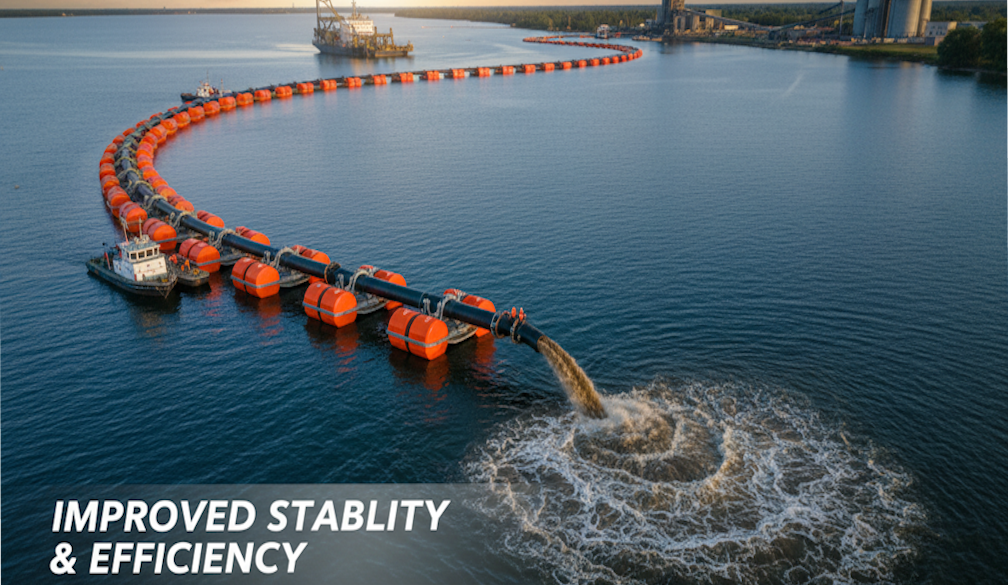
In industries where pipelines stretch across water surfaces or uneven terrain, maintaining balance and control becomes just as important as the flow itself. Without proper support, pipes can sag, shift, or even fail under pressure. This is where Pipe floats play a crucial role, providing buoyancy and stability that keep pipelines aligned, secure, and fully operational even in challenging environments.
From mining operations to dredging and wastewater management, pipe floats act as silent stabilisers. They ensure that pipelines remain elevated and properly positioned, allowing materials to move smoothly without unnecessary strain on the system.
Understanding The Purpose Of Pipe Floats
Pipe floats are designed to support pipelines by keeping them afloat on water or stabilised on soft ground. They are typically attached along the length of pipes to distribute weight evenly.
This support prevents pipes from sinking or bending, which can disrupt flow and damage equipment. By maintaining proper alignment, pipe floats ensure consistent performance.
Their role is essential in systems where pipelines operate in dynamic or unstable environments.
Why Stability Is Critical In Pipeline Operations
Pipelines carrying fluids or slurries are often exposed to movement caused by water currents, pressure changes, or uneven terrain. Without proper stabilisation, these movements can lead to inefficiencies or failures.
Pipe floats provide the necessary balance to keep pipelines steady, reducing stress on joints and connections. This stability ensures smooth and uninterrupted flow.
Maintaining stability is key to preserving both performance and safety.
Enhancing Efficiency In Material Transport
Efficient material transport depends on maintaining a consistent flow through the pipeline. When pipes are properly supported, there is less resistance and fewer disruptions.
Pipe floats help maintain the correct positioning of pipelines, allowing materials to move freely. This improves overall system efficiency and reduces energy consumption.
Better efficiency leads to improved productivity in industrial operations.
Durability For Harsh Environmental Conditions
Industrial environments can be harsh, exposing equipment to water, chemicals, and extreme weather conditions. Pipe floats are built using durable materials that can withstand these challenges.
Their construction ensures long-term performance, even in demanding applications. This reduces the need for frequent replacements.
Durability is essential for maintaining reliable operations over time.
Reducing Wear And Tear On Pipelines
Unsupported pipelines are more likely to experience wear and tear due to bending, friction, and uneven pressure distribution. Pipe floats help minimise these issues by providing consistent support.
By reducing strain on the pipeline, they extend its lifespan and improve reliability. This also lowers maintenance requirements.
Less wear and tear means fewer operational disruptions.
Adapting To Different Applications And Industries
Pipe floats are used across a variety of industries, including mining, dredging, construction, and water management. Each application may require specific configurations and designs.
These floats can be customised to suit different pipe sizes and operational needs. This adaptability ensures optimal performance in diverse environments.
Versatility makes pipe floats a valuable solution for many industries.
Improving Safety In Fluid Transfer Systems
Safety is a major concern in any industrial operation. Unstable pipelines can lead to leaks, spills, or accidents, posing risks to both workers and the environment.
Pipe floats enhance safety by keeping pipelines secure and properly aligned. This reduces the likelihood of failures and ensures controlled material transfer.
A stable system is a safer system.
Ease Of Installation And Maintenance
Pipe floats are designed for easy installation, allowing them to be attached quickly without complex procedures. This simplifies setup and reduces downtime.
Their design also makes maintenance straightforward, ensuring that systems remain operational with minimal effort. Regular checks help maintain performance.
Ease of use adds to their overall practicality.
Cost Efficiency Through Long-Term Performance
Investing in pipe floats can lead to significant cost savings over time. By reducing wear, preventing damage, and improving efficiency, they lower maintenance and replacement costs.
Their durability ensures that they provide value over an extended period. This makes them a cost-effective solution for industrial operations.
Long-term performance contributes to better financial outcomes.
Turning Pipeline Support Into Operational Reliability
Pipe floats transform pipeline systems into stable and reliable networks that can handle demanding conditions with ease. By providing buoyancy, support, and durability, they ensure that material transfer remains efficient.
With the right pipe float system in place, businesses can reduce downtime, improve safety, and maintain consistent performance. It’s about creating a setup where every component works together seamlessly.
In the end, pipe floats are more than just accessories, they are essential elements that keep pipelines balanced, protected, and performing at their best in even the most challenging environments.