

Electronics Design Engineer Shaping The Future Of Smart Products
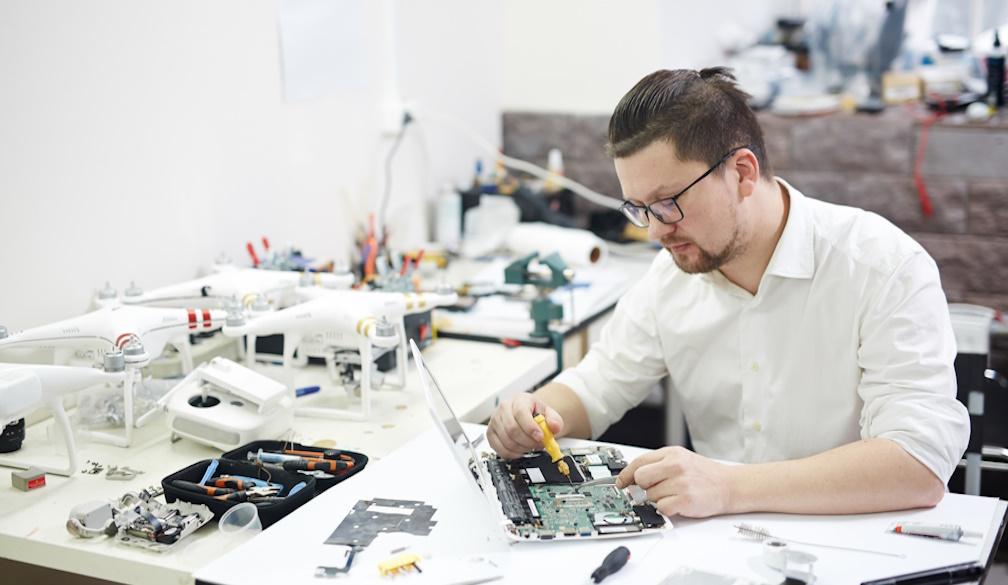
Behind every smart device that quietly performs its task with precision, there is often an electronics design engineer turning abstract concepts into working realities. These professionals operate where imagination meets circuitry, crafting systems that bring life to products across industries. From compact consumer gadgets to complex industrial equipment, their expertise ensures that technology functions smoothly, efficiently, and reliably.
When businesses aim to transform an idea into a market-ready solution, they often turn to a product design company that can guide the journey from concept to creation. These companies combine engineering, design thinking, and practical execution to develop products that are not only functional but also aligned with user expectations and market demands.
The Role Of An Electronics Design Engineer In Modern Development
An electronics design engineer plays a central role in developing the internal architecture of devices. Their work involves designing circuits, selecting components, and ensuring that every element works in harmony. It is a process that requires both technical expertise and creative problem-solving.
These engineers often begin by understanding the purpose of the product and its operational requirements. They then translate these needs into detailed designs, considering factors such as power consumption, performance, and durability. Each decision influences how the final product behaves in real-world conditions.
Their role also extends to testing and troubleshooting, ensuring that the design performs as expected. This iterative process helps refine the product and eliminate potential issues before it reaches production.
How Product Design Companies Bring Ideas To Life
A product design company acts as a bridge between concept and reality. It takes an idea and develops it into a tangible product through a structured process that includes research, design, prototyping, and testing.
These companies bring together multidisciplinary teams, including engineers, designers, and project managers, who collaborate to create cohesive solutions. This collaborative approach ensures that every aspect of the product is carefully considered, from functionality to aesthetics.
By managing the entire development process, product design companies help businesses navigate complex challenges and bring their ideas to market more efficiently.
The Importance Of User-Centric Design
Modern product development places a strong emphasis on user experience. It is not enough for a product to function well; it must also be intuitive and easy to use. Electronics design engineers and product design companies work together to ensure that user needs are at the forefront of the design process.
This involves understanding how users interact with the product and identifying potential pain points. By addressing these factors early, designers can create solutions that enhance usability and satisfaction.
User-centric design also contributes to the overall success of a product, as it increases the likelihood of adoption and positive feedback in the market.
Prototyping And Testing For Reliable Performance
Prototyping is a critical stage in product development. It allows designers to create a working model of the product and evaluate its performance under real conditions. This step helps identify any issues that may not be apparent during the design phase.
Testing ensures that the product meets quality standards and performs consistently. It involves evaluating factors such as durability, efficiency, and safety. By conducting thorough testing, engineers can refine the design and ensure that the final product is reliable.
This process reduces the risk of failures and enhances the overall quality of the product, making it more competitive in the market.
Balancing Innovation With Practicality
Innovation is at the heart of product development, but it must be balanced with practicality. Electronics design engineers are constantly exploring new technologies and approaches, but they must also consider factors such as cost, manufacturability, and scalability.
Product design companies play a key role in maintaining this balance. They ensure that innovative ideas are translated into solutions that can be produced efficiently and meet market demands.
This balance between creativity and practicality is what drives successful product development, allowing businesses to introduce new solutions without compromising on feasibility.
Adapting To Rapid Technological Advancements
The field of electronics is constantly evolving, with new technologies emerging at a rapid pace. Engineers and design companies must stay updated with these advancements to remain competitive.
Technologies such as IoT, automation, and smart systems are reshaping the way products are designed and used. Electronics design engineers incorporate these innovations into their work, creating solutions that are both modern and future-ready.
Continuous learning and adaptation are essential for keeping up with these changes and delivering cutting-edge products.
Collaboration As A Key To Success
Successful product development relies on effective collaboration between different teams. Engineers, designers, and stakeholders must work together to ensure that the product meets all requirements.
Product design companies facilitate this collaboration by providing a structured framework for communication and decision-making. This ensures that everyone involved is aligned with the project goals and timelines.
Collaboration also fosters innovation, as diverse perspectives contribute to more creative and effective solutions.
Ensuring Quality And Compliance
Quality and compliance are critical aspects of product development. Electronics design engineers must ensure that their designs meet industry standards and regulations.
This involves rigorous testing, documentation, and validation to ensure that the product is safe and reliable. Compliance with standards also helps build trust with customers and enhances the product’s credibility in the market.
By prioritising quality, design companies deliver products that perform consistently and meet customer expectations.
Transforming Ideas Into Market-Ready Products
The journey from concept to product is complex, but with the right expertise, it becomes a structured and manageable process. Electronics design engineers and product design companies work together to transform ideas into solutions that are ready for the market.
Their combined efforts ensure that products are not only functional but also innovative and user-friendly. This holistic approach to development is what drives success in today’s competitive landscape.
As technology continues to advance, the role of these professionals will remain essential, shaping the future of products and redefining how we interact with the world around us.